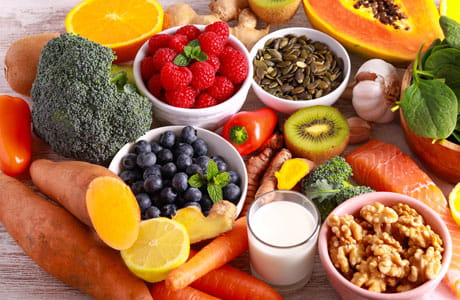
How to get more folic acid naturally
These 7 folic acid foods pack a punch.
You already know eating a healthy and balanced diet is a key component of leading a healthy life, maintaining a healthy weight and preventing chronic conditions. It helps you get the proper amount of nutrients, vitamins and minerals your body needs.
You likely know the importance of vitamin C, vitamin D, calcium, fiber and iron in your diet, but there’s one vitamin you should also be sure to get plenty of: folic acid.
What is folic acid?
Folic acid is a synthetic form of vitamin B, and when it’s naturally occurring, it’s known as folate. Folate is found in many types of dark leafy green vegetables and fruits.
If you have low levels of folate, you may have anemia, muscle weakness and fatigue.
It’s also a powerhouse for women who are or want to become pregnant.
“If a woman has enough folate in her body before and during pregnancy, it can help prevent birth defects, including spina bifida and anencephaly,” says Geisinger registered dietitian nutritionist Janet Milner, RDN.
But folic acid isn’t just important for pregnant women — it provides many health benefits to men and women of all ages because it helps the body make healthy new cells. Folic acid is credited with helping your body break down, create and use new proteins in addition to helping form new blood cells and new DNA.
Health benefits of folic acid
Folic acid has been shown to reduce blood levels of a chemical called homocysteine, which has been linked to heart disease and stroke when found in high levels. Without folic acid, high homocysteine levels can cause blood to clot more easily, potentially leading to heart disease, kidney disease, heart attacks and strokes.
“This mineral is also believed to help with the breakdown of triglycerides, which are a type of fat in blood that’s used for energy,” says Ms. Milner. Type 2 diabetes is linked to high levels of triglycerides, so increasing your folic acid intake can also help lower your chances of developing diabetes.
Some studies have even found that folic acid may play a part in mood regulation and help with depression. It may also play a key role in preventing overall memory loss associated with aging, possibly even reducing your risk of Alzheimer’s disease.
Folate rich foods
Want to get more folic acid into your system? You’re in luck — many foods are naturally rich sources of this vitamin.
Adults should get 400 mcg of folic acid per day. While folic acid is commonly found in multivitamins, certain foods can help you reach this goal without their help. Add or increase these foods in your diet for a folate boost:
Grains
Look for the term “enriched” on grain items such as breads, cereals, pasta, rice and wheat germ. Sweet potatoes are also a great source of folic acid.
Dark leafy greens
These have the highest folate levels of any food. Consider adding more spinach, kale, collard greens, turnip greens, romaine lettuce, raw cabbage, Brussel sprouts and broccoli to your diet for an immediate folic acid boost.
Asparagus
Eating one cup of boiled asparagus will provide you with 65 percent of your daily folate needs.
Beans, lentils and peas
These are a great source of folate. A small bowl of any type of lentils will give you the majority of your recommended amounts of folate. Soybeans are also rich in folic acid.
Citrus fruits
Many fruits contain folic acid, but citrus fruits rank highest — oranges are especially high in the vitamin. Other folate-rich fruits include grapefruit, papayas, grapes, bananas, strawberries, raspberries and cantaloupe.
Beef liver
In just 3 ounces, beef liver contains 215 micrograms of folate. It can also increase your iron, vitamin A and copper intake.
Eggs
This easy breakfast contains 22 micrograms of folate and is a great way to start out your day with protein.
“Adding these foods to your diet can help you increase your folic acid levels,” says Ms. Milner. “If you have symptoms of low folate levels, talk with your doctor about supplements. You can also work with a nutritionist to assess your diet and look for opportunities to eat more folate-rich foods.”
Next steps:
Meet Janet A Milner, RDN
Think your folate levels are low? Start with your primary care physician
Check out our dietitian-approved recipes